A grounded look at Italy vs Switzerland through labor markets, governance, Alpine tourism, and the T
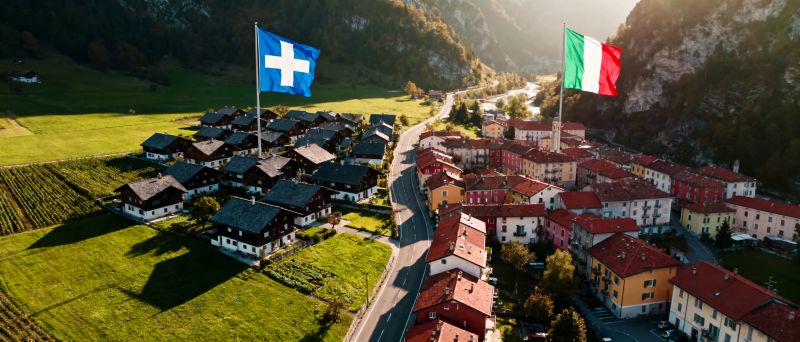
Crossing the border from Italy into Switzerland feels less like a change of country and more like a shift in operating system. On the Italian side, the autostrada hums with a certain improvisational energy—lane markings are suggestions, coffee is gulped standing at a bar, and the afternoon riposo still shuts down entire towns. Twenty minutes later, in Ticino, the trains run to the second, the streets are impossibly clean。and even the graffiti looks apologetic. That contrast, often reduced to a lazy joke about punctuality, is the real substance of Italy vs Switzerland: two nations that share a border, a language in the south, and a mountain range, yet diverge on nearly every measure of civic life.Take the labor market. Switzerland's unemployment rate hovers around 2%, and its apprenticeships funnel roughly two-thirds of teenagers into vocational tracks that lead to stable, well-paid jobs. Italy's youth unemployment remains stubbornly above 20%, and the gap between permanent contracts and precarious work is a permanent feature of the economic landscape. I once met a 28-year-old barista in Lugano who commuted daily from Como because the same espresso-pulling job paid nearly double on the Swiss side. He shrugged when I asked why he didn't just move. "My family, my friends, the food—you can't deposit those in a bank。
" he said. That single sentence captures the Italy vs Switzerland trade-off better than any GDP table: security versus belonging, efficiency versus texture.Governance tells a similar story. Switzerland's federalism and direct democracy mean even minor policy changes face public votes, producing glacial but remarkably stable outcomes. Italy has had more than 60 governments since 1945 and a public debt exceeding 140% of GDP, yet its cultural output, design sector, and culinary influence remain globally dominant. A Milanese architect I spoke with dismissed the comparison with a wave of his hand. "Switzerland perfects what exists. Italy invents what doesn't." It's a romantic claim, but it has teeth. Swiss precision built the Gotthard Base Tunnel, a 57-kilometer engineering marvel. Italian creativity gave the world the Vespa。the espresso machine, and the modern fashion house. The Italy vs Switzerland contest isn't about who wins—it's about which model you'd bet on for the next century.Geography sharpens the rivalry. Both countries claim the Alps, but they package them differently. Swiss ski resorts are priced like luxury goods—a day pass in Zermatt can cost over 90 francs—while Italian resorts in the Dolomites offer comparable terrain for half that. The result is a steady flow of Swiss tourists into Italy on weekends, filling the bars of Bormio and the trails above Cortina. Cross-border shopping runs the other way: Italians flock to Swiss supermarkets for cheaper petrol and household goods, a quiet arbitrage that says more about the Italy vs Switzerland economic gap than any official report.Language adds a final layer. In Ticino, Italian is the official tongue, but the administrative vocabulary is German-inflected, and many young professionals drift toward Zurich for careers. Meanwhile, Swiss-Italians I met in Bellinzona confessed to feeling culturally closer to Milan than to Bern. "We vote like the Swiss and eat like the Italians," one teacher told me, "which means we're never fully at home anywhere." That in-betweenness is the most honest lens on Italy vs Switzerland. Neither country is the caricature the other prefers—Switzerland is not a sterile clockwork。and Italy is not a charming chaos. They are neighbors locked in a long, useful argument about how to live, and the border between them is less a line than a daily negotiation.